Bright Kids
Finnish Education
Toolkit Support
What is Finnish Education?
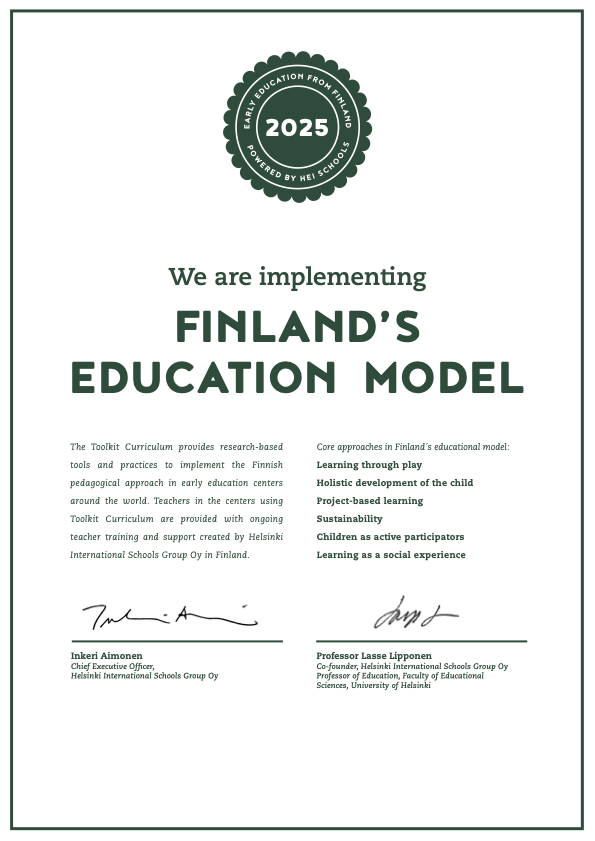
In Finnish early childhood education, learning is seen as a lifelong process, and free play is valued as a natural way for children to develop physical, emotional, social and intellectual skills. Every child has the right to be heard, seen and respected as both an individual and a member of their community. Educators guide children towards a healthy lifestyle that supports their overall wellbeing, while also nurturing their emotional development and ethical thinking.
What makes Finnish education different?
- Children learn best when new skills are introduced at the right time, not too early.
- Finnish education avoids stress by letting children learn through play with support from trained teachers.
- Children learn better when activities follow their own interests.
- Teachers observe and talk to children to find out what they enjoy.
- This information is used to plan lessons and activities.
Finnish Way
- Finland is known for child-centred teaching that values childhood and supports children’s wellbeing and positive development.
- Finnish early education encourages children’s participation and helps them build social and cultural skills.
- Children learn through active interaction with peers, teachers, adults, the community and their environment.
- The approach builds children’s self-confidence by giving them positive emotional experiences.
- Children are encouraged to lead play, ask questions and use their imagination.
- Teachers take children’s opinions and interests seriously when planning activities.
- The teacher can then extend the interest in class through role-play activities, such as pretending to work at a car maintenance station.
Incorporating Sisu: Building Resilience in Children
- Finland is known for the concept of sisu, which means having the courage and inner strength to keep going when things get difficult.
- Everyone has sisu, but we need to learn how to access it when we face challenges.
- In Finnish-style education, children are supported to discover their own sisu by learning to think for themselves and enjoy learning.
- Children are encouraged to solve problems, express their feelings, and value their own opinions.
- Sisu also involves recognising that we are stronger together, so children are taught the importance of teamwork.
- They learn to work through discomfort, learn from mistakes and face challenges as a group.
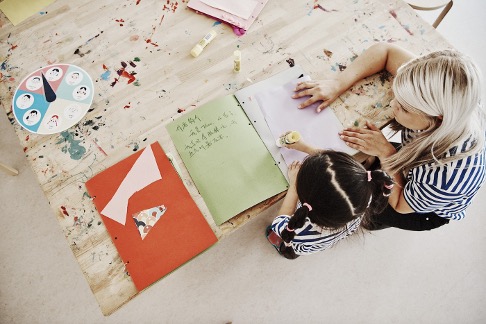
Learning through play
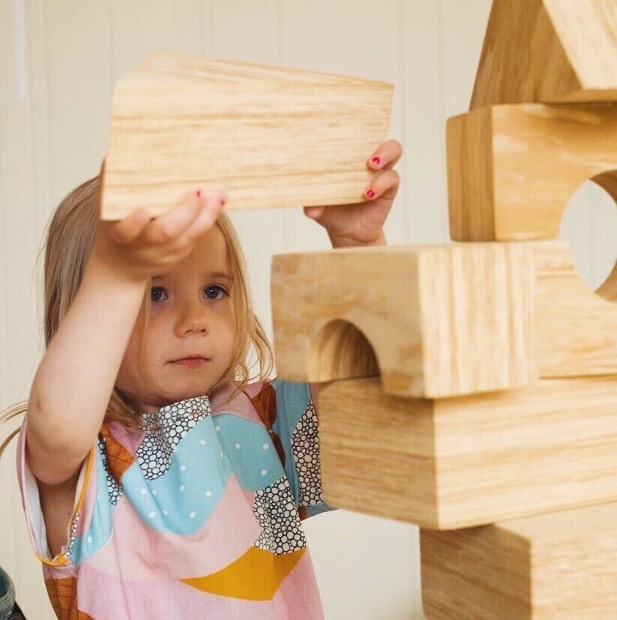
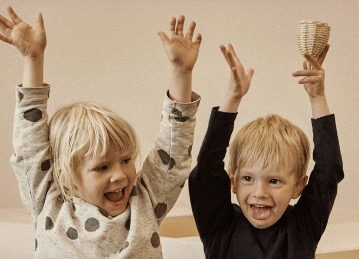
Children learn best through play, developing essential skills naturally as they explore, imagine and interact.
Free Play
Long-Term Play
Curiosity
Tranversal
Social Experience
Sustainability
Children as active participators
We see the world from the child’s perspective because we value childhood. This helps us understand what inspires, scares, or excites them, and how they learn—through play, exploration, movement, or creativity. With this understanding, we can better support each child’s growth, development, health, and wellbeing.